This is Moderna's UK website
It may contain content that is not applicable to your location
The power of mRNA
At Moderna we are exploring the potential of mRNA science to help create a new generation of medicines for patients.
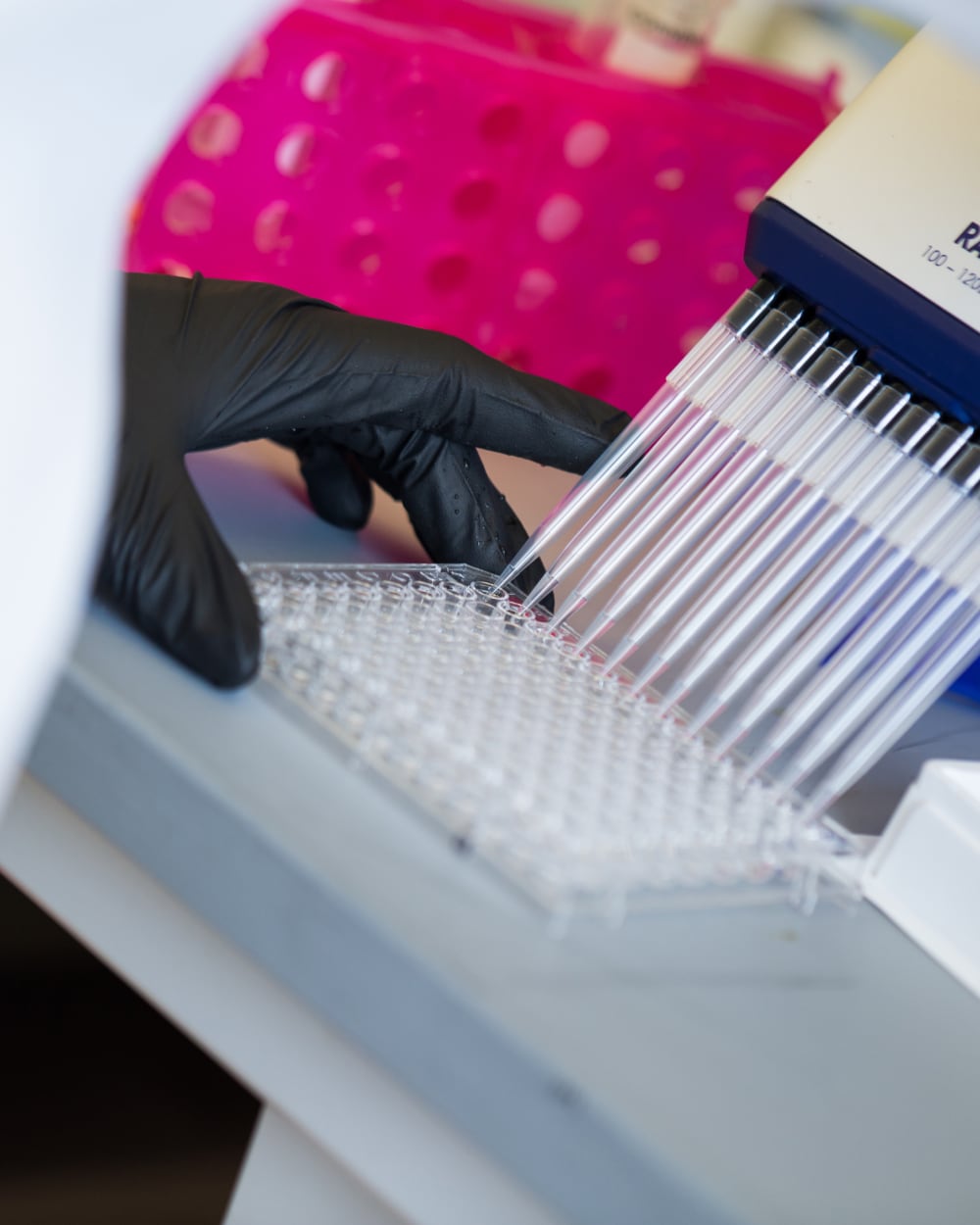

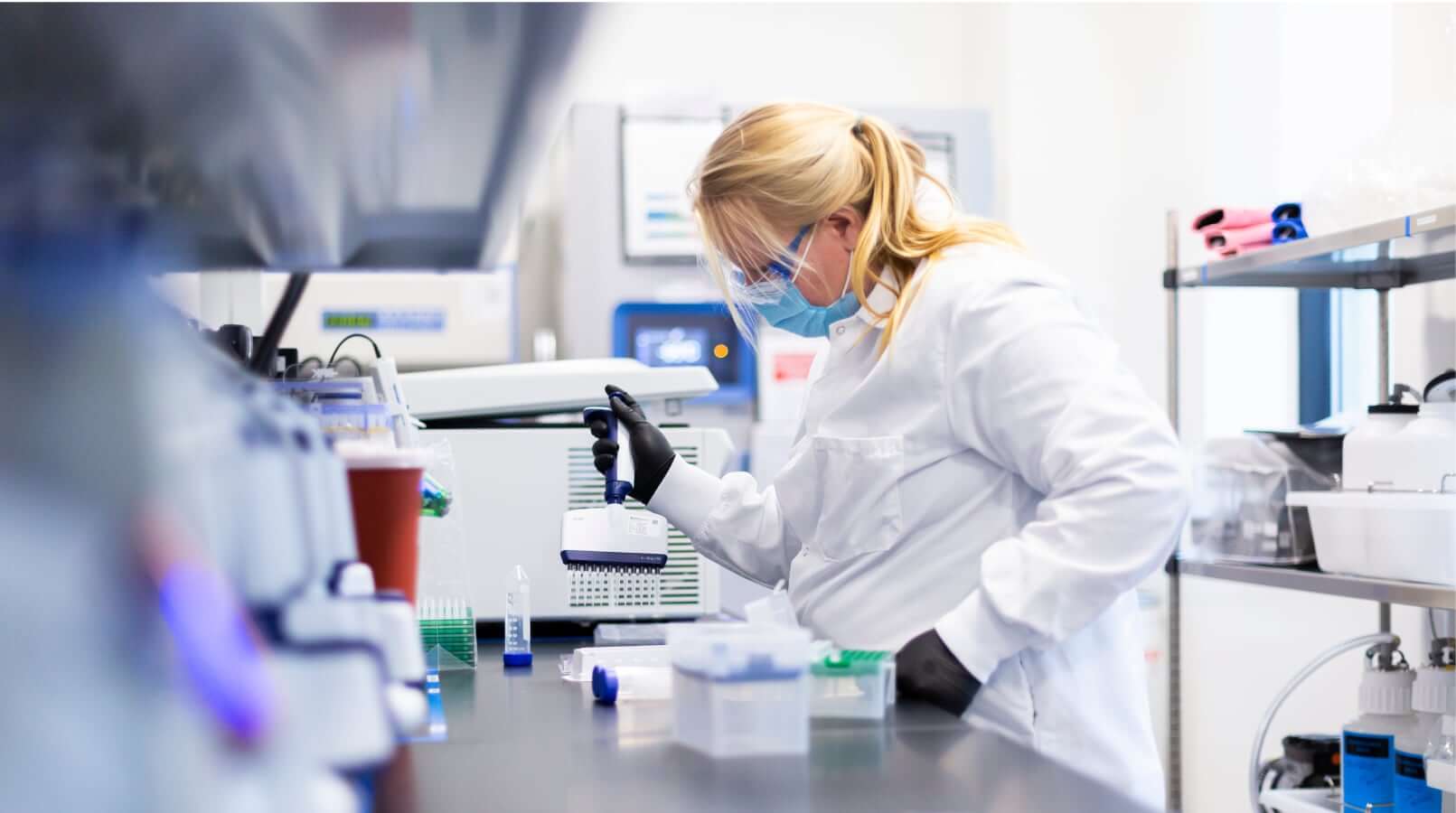
mRNA could possibly revolutionise medicine
Scientists have been studying mRNA for decades. And mRNA vaccines are just the start.²
It’s all about proteins
An mRNA can teach the body how to make a specific protein that can help your immune system prevent or treat certain diseases.¹⁻²
You are made of proteins
Your body contains trillions of cells, the basic units of life. And every cell contains proteins.³⁻⁴

What proteins do
Proteins carry out a variety of functions within the body from processing signals to carrying oxygen. The body makes around 20,000 different types of proteins in our body.⁵

How proteins work
For example, insulin is a protein that helps the body control sugar levels in the blood. In people with Type I diabetes, their body doesn't make enough insulin.⁶

Why proteins are important
When the body doesn’t make the right amount or type of protein, it can cause conditions like cancer or metabolic diseases.⁷

Why we focus on proteins
Proteins are essential for maintaining health and preventing disease.⁸
Your cells are protein factories
Proteins are made in a process called protein synthesis. And that's where mRNA comes in.⁹
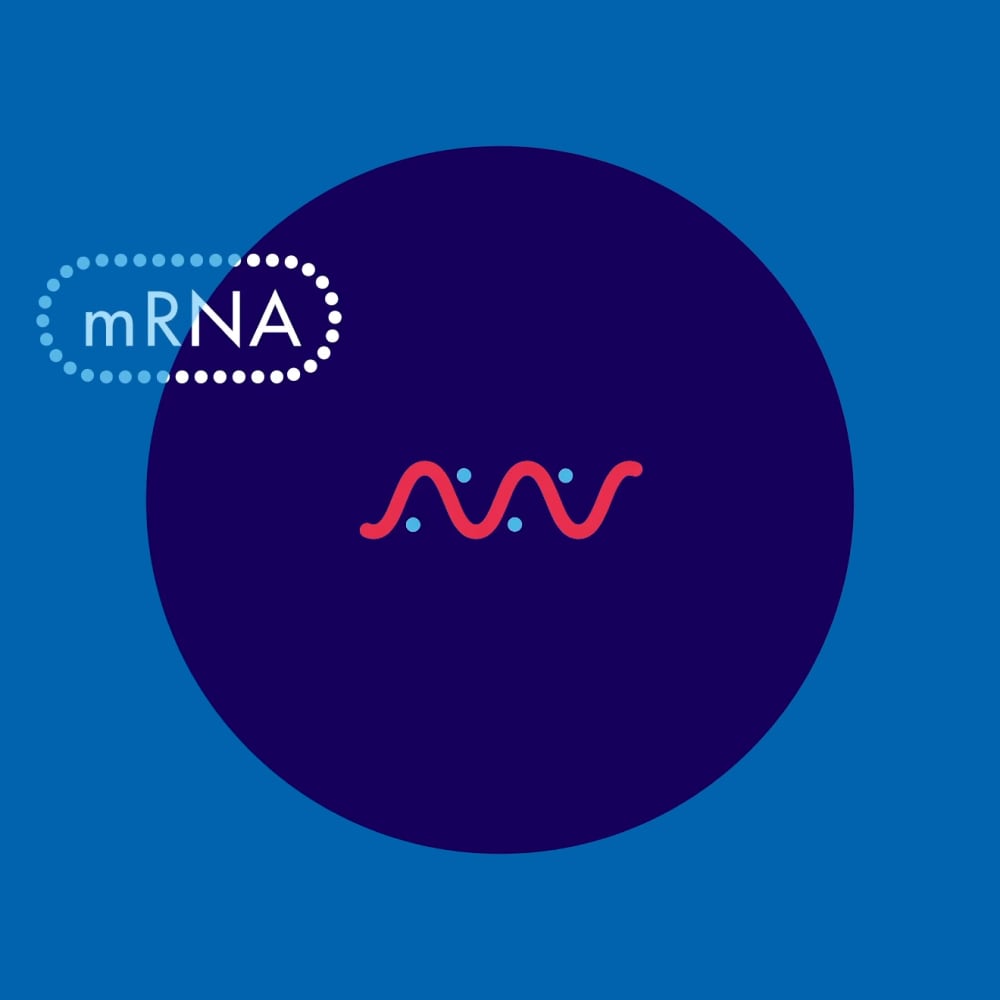
What is mRNA?
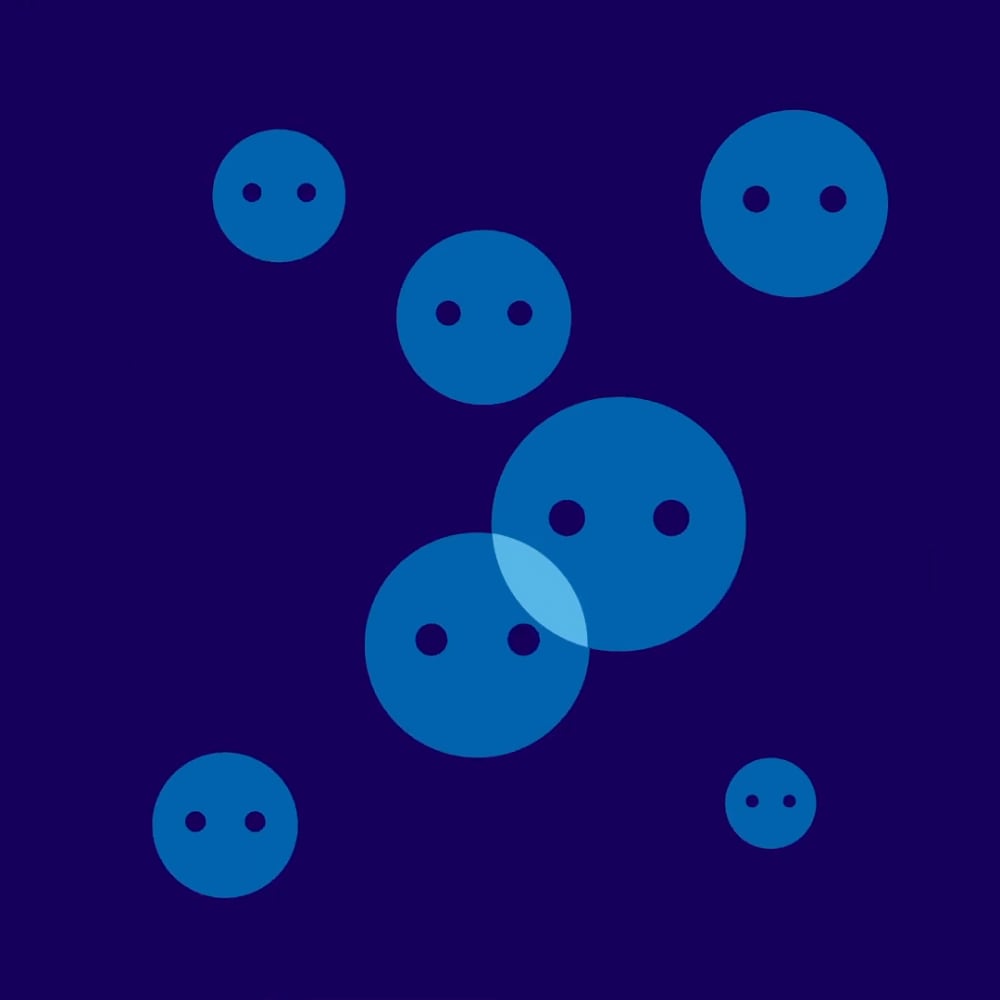
Messenger RNA – or mRNA – exists in all of the cells in your body. It is an essential component of all living organisms and has been in cells for billions of years.³
What does it do?
Just like its name suggests, mRNA is a messenger. It interacts with other components in cells that help create proteins.¹⁰
How does it help make a protein?
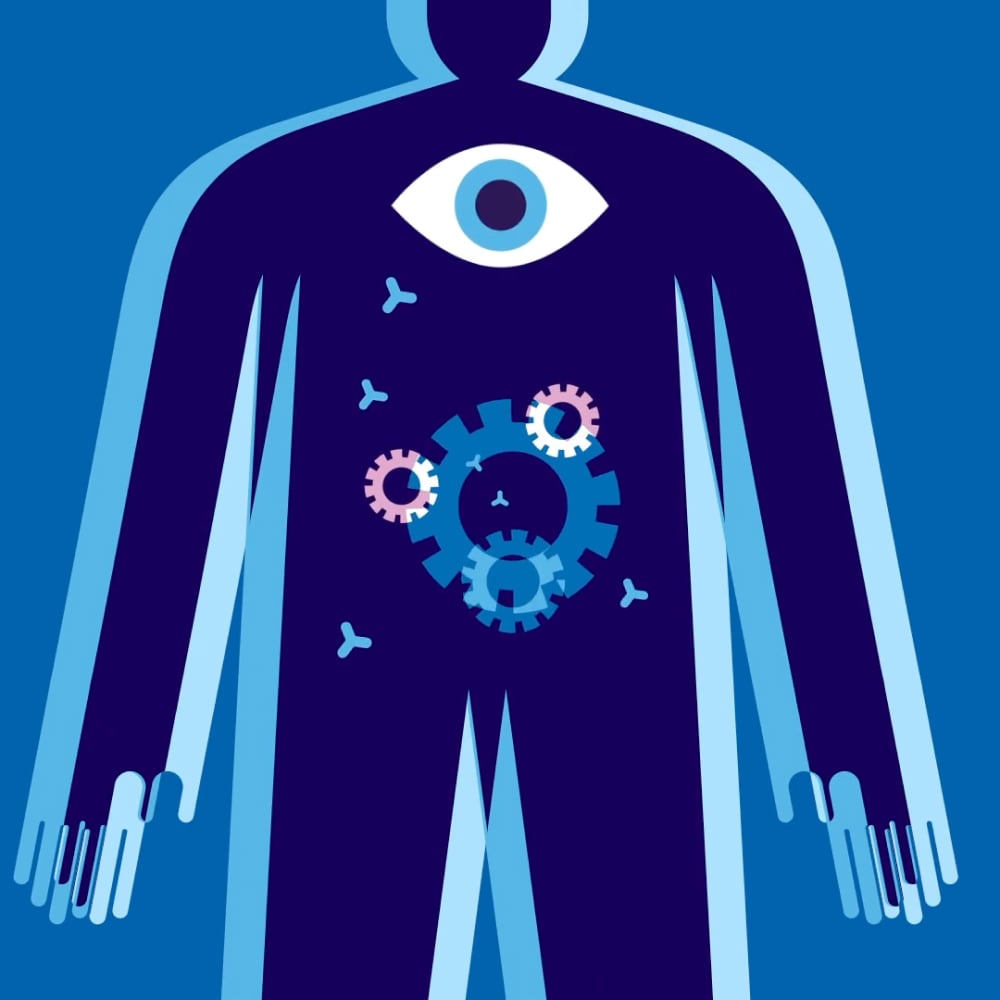
Each mRNA carries instructions to make a specific protein. These instructions are like a “blueprint”. mRNA delivers these instructions, and cells put the protein together.³

What happens after a protein is made?
Once its job is done, an mRNA is broken down by the body. It doesn’t stick around for very long.³
mRNA teaches the body how to make its own medicine
Scientists design each mRNA to give cells directions to make a particular protein.²

1. Making an mRNA medicine
To protect the mRNA and help deliver it into cells, the mRNA is wrapped with lipids, or fats.¹¹

2. Deliver mRNA into the body
mRNA vaccines are given as an injection. Future mRNA treatments might be delivered by an infusion.¹

3. Creating the right protein
Once the vaccine is delivered, the body takes over and makes the protein according to the mRNA’s instructions.³

4. Breaking it down
mRNA doesn’t stay in the body very long once its job is done. And it does not cause permanent changes or alter DNA.²⁻³
¹Pardi N, Hogan MJ, Porter FW et al. mRNA vaccines — a new era in vaccinology. Nat Rev Drug Discov 2018; 17; 261–279. Available at: https://www.nature.com/articles/nrd.2017.243. Last accessed November 2025.
²Centers for Disease Control and Prevention. Understanding How Covid-19 Vaccines Work. May 2023. Available at: https://www.cdc.gov/coronavirus/2019-ncov/vaccines/different-vaccines/how-they-work.html Last accessed November 2025.
³Riggs P. What is mRNA? The messenger molecule that’s been in every living cell for billions of years is the key ingredient in some COVID-19 vaccines. The Conversation. 2021. Available at: https://theconversation.com/what-is-mrna-the-messenger-molecule-thats-been-in-every-living-cell-for-billions-of-years-is-the-key-ingredient-in-some-covid-19-vaccines-158511. Last accessed November 2025.
⁴Roy AL, Conroy RS. Toward mapping the human body at a cellular resolution. Mol Biol Cell 2018;29(15):1779–1785. Available at: https://www.ncbi.nlm.nih.gov/pmc/articles/PMC6085824/. Last accessed November 2025.
⁵Ahlgren N. What is a protein? A biologist explains. The Conversation 2021. Available at: https://theconversation.com/what-is-a-protein-a-biologist-explains-152870. Last accessed November 2025.
⁶National Institute for Health and Care Excellence. What is Insulin? April 2023. Available at: https://cks.nice.org.uk/topics/insulin-therapy-in-type-1-diabetes/background-information/what-is-insulin/. Last accessed November 2025.
⁷Zhou Y, et al. Proteomic signatures of 16 major types of human cancer reveal universal and cancer-type-specific proteins for the identification of potential therapeutic targets. J Hematol Oncol 2020; 13:170. Available at: https://jhoonline.biomedcentral.com/articles/10.1186/s13045-020-01013-x. Last accessed November 2025.
⁸Wu G. Dietary protein intake and human health. Food Funct 2015;7:1251–1265. Available at: https://pubs.rsc.org/en/content/articlehtml/2016/fo/c5fo01530h. Last accessed November 2025.
⁹Ribosomes, Transcription, and Translation. Scitable by Nature education 2014. Available at: https://www.nature.com/scitable/topicpage/ribosomes-transcription-and-translation-14120660/. Last accessed November 2025.
¹⁰National Human Genome Research Institute. Messenger RNA (mRNA) National Human Genome Research Institute 2023. Available at: https://www.genome.gov/genetics-glossary/messenger-rna. Last accessed November 2025.
¹¹Rosa S, et al. mRNA vaccines manufacturing: Challenges and bottlenecks. Vaccine 2021;39(16): 2190–2200. Available at: https://www.ncbi.nlm.nih.gov/pmc/articles/PMC7987532/#:~:text=mRNA%20vaccine%20structure,vivo%2C%20using%20the%20cell%20machinery. Last accessed November 2025.